• Skip to primary navigation
  • Skip to main content
PMT Security Logo

PMT Security

Advanced Access Control

  • Home
  • About Us
    • Our Partners
    • Our Integrators
  • Solutions
    • Residential
    • Government Facilities
    • Education
    • Retirement
    • Manufacturing
    • Retail Businesses
    • Campgrounds & Outdoor Resorts
  • Products
    • Access Control
      • Control Features
      • Reporting & Monitoring
      • Control Module
      • Digital IO Module
      • Reader Module
      • Readers
    • Video Management
      • Integration
      • Analytics
      • Search & Export
    • Visitor Management
    • Intercom
    • Live Guard Video Monitoring
    • Housings & Pedestals
  • Support
    • Knowledgebase
    • Download Center
    • License Request
    • RMA Request Form
  • Blog
  • Contact Us

Video Management Systems

How Real-World Events Are Reshaping Physical Security in Retirement Homes

How Real-World Events Are Reshaping Physical Security in Retirement Homes

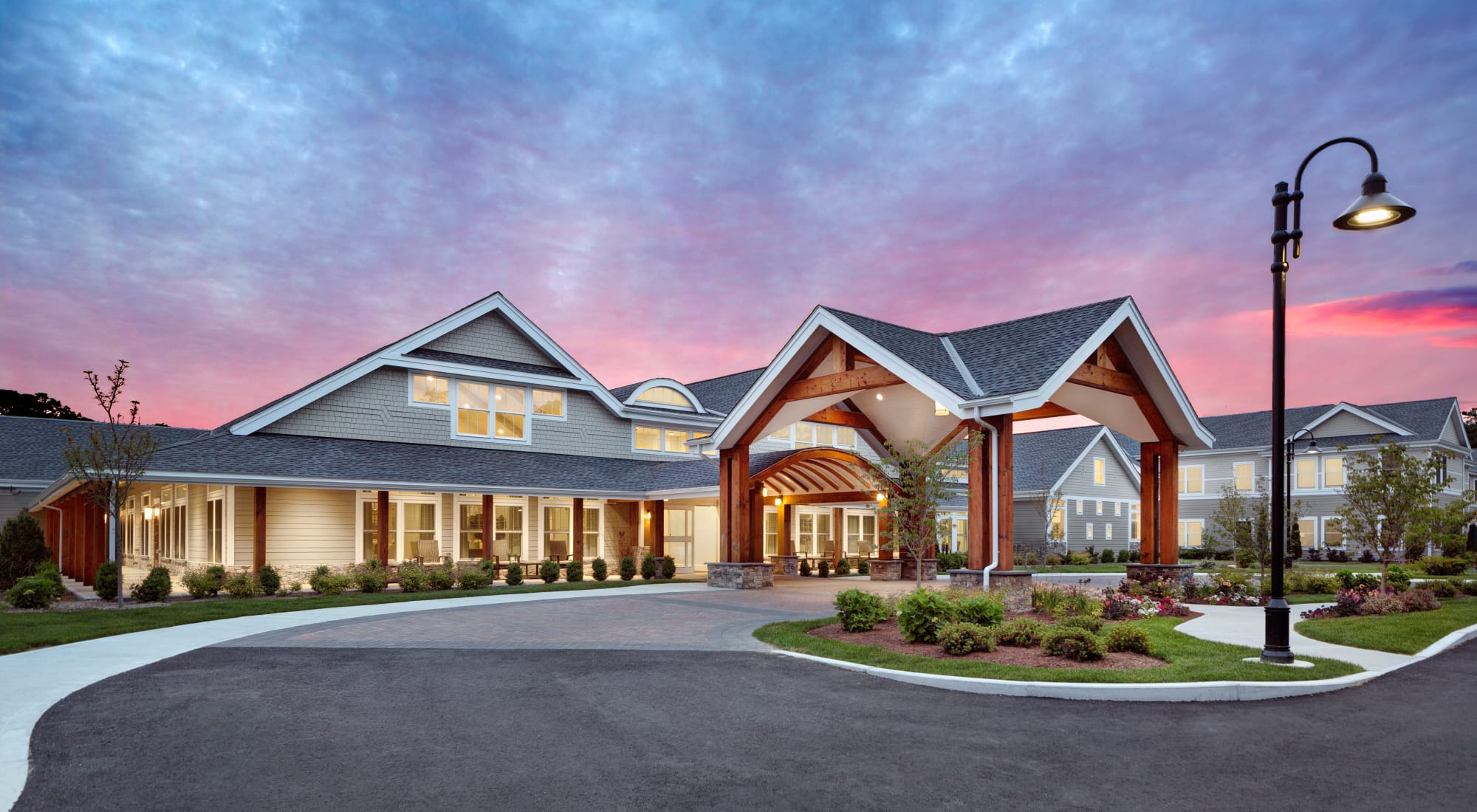
Retirement homes and long-term care residences sit at a unique intersection of healthcare, hospitality, and community living. They’re not “locked-down” facilities—but they also can’t operate like open public buildings. Families want warmth and dignity. Staff need workflow that doesn’t feel like fighting the building all day. Residents deserve independence and protection—especially when cognitive decline, mobility challenges, or medical needs raise the stakes.

That balancing act is why physical security in retirement living looks different than security in an office tower or a school. And it’s also why recent news stories—both in Canada and the U.S.—are prompting more operators to ask a hard (but necessary) question:

Do our systems actually support safety in real life… or only on paper?

The “quiet emergencies” that shape senior living safety

When people hear “security,” they often picture dramatic incidents. But in retirement homes, the most common risks are frequently quiet:

  • A resident with dementia slips through a door that should have been secured.
  • A staff member is trying to manage an agitated visitor while also answering a nurse call.
  • A delivery person wanders into a resident wing because signage is unclear and doors are propped open.
  • A fire alarm or lockdown protocol is triggered—and nobody has confidence that doors, elevators, and communications will behave the way the policy says they should.

These moments don’t always make headlines. But when they go wrong, the outcomes can be tragic.

Wandering and elopement: the risk that doesn’t wait for a “major incident”

In late December 2025, CityNews reported renewed calls for improved safety measures in long-term care after deaths tied to seniors wandering outside in extreme weather, and highlighted how staffing, door practices, and response to alarms can be the difference between a close call and a fatal outcome.

In the U.S., a FOX 13 Investigates report described nearly 230 cases identified in Utah involving older adults—often with cognitive impairment—wandering away from assisted living centers and nursing homes. The investigation pointed repeatedly to “real-world” contributors: supervision gaps, staffing levels, and failures around controlled doors or secured units.

The takeaway for operators isn’t “add more locks.” It’s more practical than that:

If your building can’t reliably tell you when a vulnerable resident has moved into a risk zone—and help staff respond fast—your policies are doing all the heavy lifting.

Security that supports care, not the other way around

The best retirement-home security isn’t about turning a residence into a fortress. It’s about removing friction so staff can focus on residents, not door keys and workarounds.

That typically comes down to architecture—how systems work together:

  • Access control that supports flexible permissions (staff vs. visitors vs. contractors)
  • Video that provides fast verification when something seems off
  • Intercoms and communication tools that help staff respond without abandoning residents
  • Visitor routines that are friendly but structured
  • Audit trails that reduce confusion during investigations, incidents, or compliance checks

We describe this “integrated approach” in its long-term healthcare residence guidance—combining video management with access control and integrations, including real-time alerts and even emergency lockdown capabilities.

That matters in senior living because a single risk event almost never lives inside one system. A wandering incident might involve a door alarm, a delayed staff response, blind spots in corridors, and a lack of centralized visibility. A workplace violence concern might involve reception, intercom screening, and the ability to quickly pull footage and lock down a wing. consistently and predictably so staff aren’t left guessing which entry points are secured.

What “good” looks like in retirement homes

Here’s what well-designed physical security tends to prioritize in retirement living—without sacrificing the welcoming feel residents and families expect.

1) Layered entry control (not just one “main door”)

Many residences focus heavily on the front entrance and forget the side doors, courtyards, staff entrances, service corridors, and loading areas.

A layered model is more resilient:

  • Public-facing entry points stay welcoming but controlled
  • Staff-only doors stay consistent (no “we prop that one open because it’s annoying”)
  • High-risk zones (memory care, medication storage, mechanical rooms) have stricter control

This reduces dependence on perfect human behavior—because humans are busy.

2) Resident safety zones and “soft boundaries”

Not every resident needs the same level of restriction, and not every restriction needs to feel punitive.

Effective access control can support:

  • “Allowed areas” for residents who enjoy independent walks
  • Higher alert thresholds for residents with known wandering risk
  • Time-based rules (e.g., stricter after hours)

The goal is dignity with guardrails, not blanket confinement.

3) Video that’s built for response, not just recording

A camera that records is one thing. A camera system that helps staff respond is another.

In practical terms, response-focused video means:

  • Fast search and playback
  • Clear views of exits, hallways, and common areas
  • Integration with door events (so staff can see what happened when a door alarm triggers)

Our long-term care guidance calls out video monitoring with analytics and integration as part of a broader framework for safety and operations.

4) Communication that works under stress

In a real incident, people don’t calmly open a binder and follow a flowchart.

When something escalates, staff need:

  • Clear escalation paths
  • Intercom/notification tools that reach the right people quickly
  • The ability to coordinate without leaving residents unattended

This is where integration matters: doors, video, and communications should behave like one coordinated system.

Preparedness now includes “systems disruption,” not only physical incidents

There’s another shift happening that retirement homes can’t ignore: preparedness planning is increasingly about disruption, not only physical threats.

In the U.S., CMS maintains national emergency preparedness requirements intended to ensure planning for “natural and man-made disasters” and coordinated response expectations across provider types.

And in Canada, the Canadian Centre for Cyber Security released its Ransomware Threat Outlook 2025–2027 on January 28, 2026, emphasizing that ransomware continues to evolve and that organizations of all sizes are at risk—making basic “cyber hygiene” and readiness critical.

Why is this relevant to physical security in retirement homes?

Because modern physical security is software-driven:

  • Access control systems rely on servers, credentials, and networks
  • Video management relies on storage, connectivity, and user authentication
  • Intercoms and mobile apps often tie into IP infrastructure

If a system disruption takes you “offline,” your building can suddenly behave in unpredictable ways—exactly when you need stability. Emergency preparedness today includes the question:

What happens to doors, monitoring, and communications when parts of the network fail?

A resilience-minded approach plans for graceful degradation (what still works), offline procedures, and clear recovery steps.

A practical checklist for retirement home operators

If you’re reviewing your posture, here are practical, non-theoretical questions that cut through the noise:

  1. Can we quickly verify what happened when an alarm or door event triggers?
  2. Do staff have consistent routines that don’t rely on workarounds (like propped doors)?
  3. Do we know our “high risk” residents and do systems support tailored safety zones?
  4. Can we lock down targeted areas without shutting down the whole building?
  5. Is visitor entry friendly but structured—and do we keep a simple audit trail?
  6. What happens during a system disruption (network outage, server failure, cyber incident)?
  7. Can we run a drill and confidently say doors, video, and communications behave as intended?

If any of those questions make you uneasy, you’re not alone—and it doesn’t mean you’re “behind.” It means your residence is growing more complex, and complexity demands clarity.

Security upgrades don’t have to start with buying new hardware. Often, the most valuable first step is a system audit: mapping how people actually move through the building, where risk concentrates, and where systems are creating friction or blind spots.

If you’re in that stage, consider working with a partner that understands integrated security design for real operational environments—like retirement living—so solutions stay practical, not theoretical. Our resources on integrated access control and video for long-term healthcare residences can be a useful starting point, especially if you’re exploring how systems can support both care and preparedness.
How Real-World Events Are Reshaping Physical Security in Retirement Homes

Share:

  • Share on Twitter Share on Twitter
  • Share on Facebook Share on Facebook
  • Share on LinkedIn Share on LinkedIn
  • Share via Email Share via Email

Contact Us

PMT Security Inc. is here to help, contact us directly by phone,
USA +1 727-786-1900
CAD +1 647-999-4644

Monday-Friday, 8am-5pm Eastern

Knowledge Database
Technical Support
Download Center

School Safety in 2026: What Recent Events Are Showing Us About Security in Education

School Safety in 2026: What Recent Events Are Showing Us About Security in Education

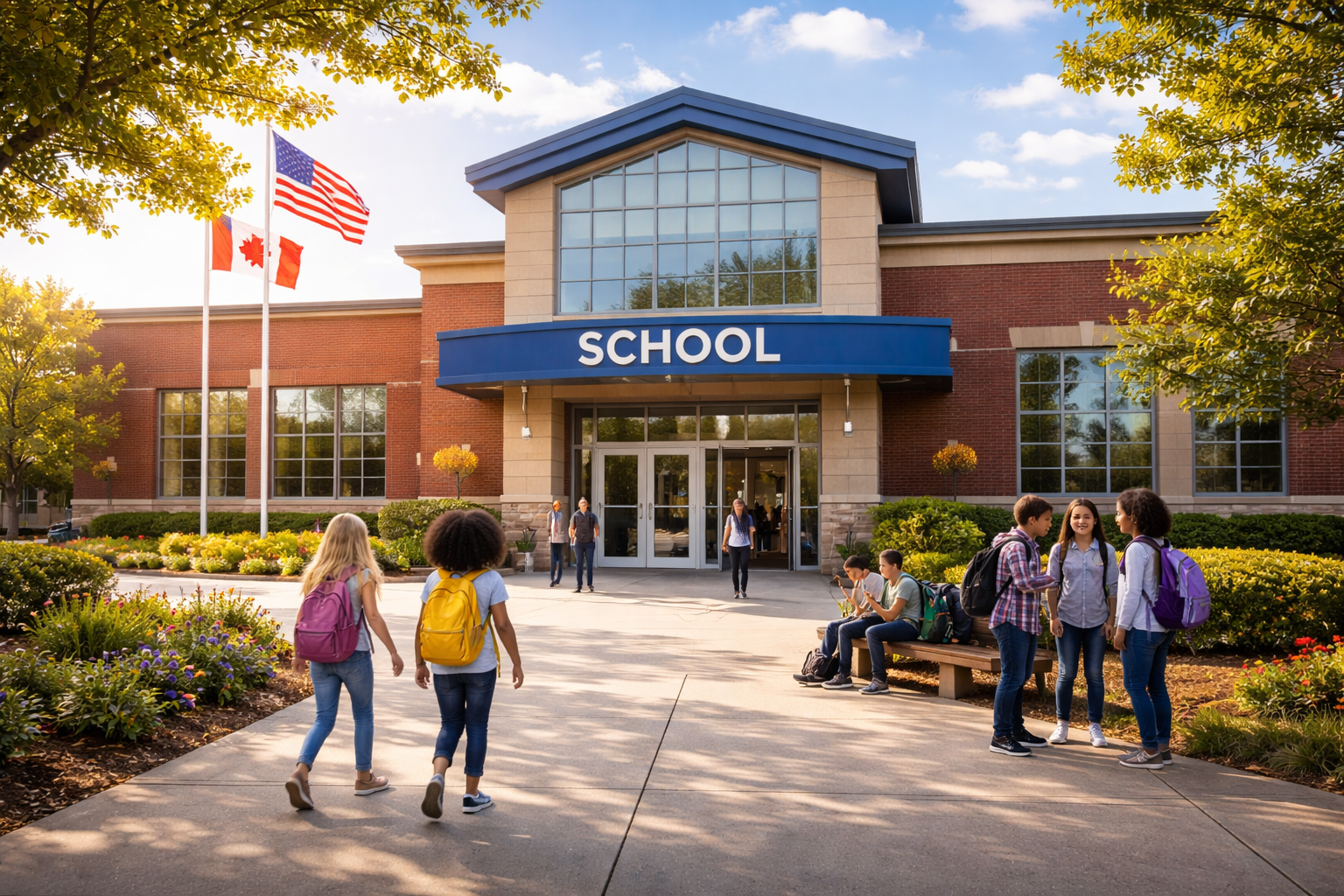
In early 2026, schools across North America faced alarming headlines that pulled school safety into sharp focus. An elementary school in San Antonio went into lockdown after a threat call came in early one morning, prompting a full police response even though nothing suspicious was ultimately found.

Meanwhile, universities such as Virginia State University and Hampton University also saw classes canceled and campuses locked down after officials responded to “potential threats.” Although these events ended without confirmed harm, the disruption and anxiety for students, staff, and families were very real.

These incidents aren’t isolated. Swatting hoaxes—false reports designed to trigger emergency responses—have become a growing issue on U.S. campuses, forcing law enforcement into action and creating trauma for communities. What we’re seeing in headlines isn’t just an uptick in isolated events—it’s a reminder that schools are complex environments where safety intersects with daily operations, community expectations, and fast-moving information.

Why School Safety Is Being Re-Examined

When a lockdown or threat is reported, the immediate reaction in the school community is worry, confusion, and questions about whether the school’s systems and procedures are up to the task. Even when an incident turns out to be a false alarm, the impact lingers: class schedules disrupted, teachers and staff handling heightened stress, and parents watching for updates.

At the same time, schools are dealing with more than physical safety concerns. Many boards are also focusing on data and system security, recognizing that when digital systems go down, the flow of information and notifications can be affected. While cyber incidents might start in the digital realm, they quickly ripple into daily operations—impacting communication, visitor management, and even classroom routines.

All of this is happening against the backdrop of an evolving education landscape, where schools strive to remain open, welcoming, and focused on learning while also managing ever-changing safety expectations.

Everyday School Safety Starts Long Before Emergencies

School safety isn’t just about how a building responds in a crisis—it’s about how it functions every day. Some of the most meaningful safety work happens in quiet moments: arrivals and departures, visitors signing in, deliveries coming and going, and after-school programs finishing up. These are the routine moments where systems either support people or create friction that can lead to confusion on a bad day.

One foundational element of daily school safety is access control—making sure that individuals enter through expected points and that staff can easily track who is on site. In the early days of school design, entrances were more open and informal. Today, there is a deeper understanding that well-managed access points help establish a baseline of safety without creating a fortress feel. Systems that allow clear distinction between public entry points, staff-only zones, and controlled interior spaces help schools know who is where and when.

And this isn’t only about equipment. It’s about establishing routines and expectations that make sense for the people in the building.

Balancing Openness and Security

Schools are meant to be welcoming places. Students should feel comfortable walking in each morning, parents should feel welcome to attend events, and the community should see the school as a hub of activity. At the same time, unrestricted access to every door or hallway can create vulnerability. Finding the balance between openness and control is a key challenge.

This tension plays out in many ways:

  • How visitor check-ins are handled at the front desk.
  • How after-hours access is monitored for community events.
  • How interior spaces such as labs or media centers are protected while remaining easy to navigate during school hours.

This balance also comes up in emergency response planning. In lockdown procedures, for example, not every exterior door needs to stay locked at all times—but when a lockdown is initiated, it’s important that doors close consistently and predictably so staff aren’t left guessing which entry points are secured.

Learning From Real Incidents

One thing that current events make clear is that preparation matters—not because every school will face a serious incident, but because how systems and people respond in the first minutes can shape the outcome.

Take the example of swatting hoaxes, where false reports trigger significant responses. Even if the threat is fake, the response is real: schools must coordinate with local authorities, communicate with families, and support students who may be frightened or confused. These situations test more than emergency buttons—they test clarity of communication, understanding of systems, and how well staff are prepared to act under stress.

Another dimension is that safety isn’t isolated to physical space. Cybersecurity incidents at school boards have shown that when digital systems are compromised, critical functions like communication and visitor tracking can be disrupted. The integration of digital and physical systems means that ensuring the reliability of one supports the effectiveness of the other.

What Schools Are Focused On Today

Many schools and districts are now thinking beyond the basics to build practices that reinforce confidence and reduce friction. Efforts include:

  • Clarifying entry and exit protocols so staff and students know where and how entrances should be used.
  • Streamlining visitor management to ensure that all visitors are properly logged and acknowledged before entering public areas.
  • Placing cameras and communication tools in locations that make sense for daily visibility—not just in emergencies.
  • Partnering with local incident responders to understand how alerts and notifications will be shared during critical moments.

What’s common across these efforts isn’t advanced technology for its own sake—it’s the goal of supporting people with systems that make the everyday flow of school life smoother, safer, and more predictable.

Safety Is a Community Conversation

Perhaps the most important takeaway from recent headlines is that school safety isn’t the job of one person, one office, or one technology. It’s a conversation that includes teachers, administrators, families, and local partners. When communication lines are clear, expectations are understood, and systems are aligned with real-world use, schools can focus less on fear and more on education.

Safety isn’t about eliminating every possible risk. It’s about building environments where adults and students can act confidently, routines support predictability, and communities feel invited to be part of the school experience.

School Safety in 2026: What Recent Events Are Showing Us About Security in Education

Share:

  • Share on Twitter Share on Twitter
  • Share on Facebook Share on Facebook
  • Share on LinkedIn Share on LinkedIn
  • Share via Email Share via Email

Contact Us

PMT Security Inc. is here to help, contact us directly by phone,

USA +1 727-786-1900
CAD +1 647-999-4644

Monday-Friday, 8am-5pm Eastern

Knowledge Database
Technical Support
Download Center

Beyond the Camera: A New Era of Proactive Security

Beyond the Camera: A New Era of Proactive Security

The world of security is undergoing a major transformation. For years, traditional video surveillance systems have focused on recording incidents after they occur—providing evidence, but rarely prevention. Today, that model is changing. Businesses, property managers, and institutions are demanding smarter, faster, and more proactive ways to protect people and property.

This is why PMT Security is proud to partner with Deep Sentinel, a leader in AI-powered, live guard video monitoring. Together, we’re delivering a security solution that blends intelligent technology, human expertise, and flexible infrastructure—designed to stop crime before it happens.

From Surveillance to Prevention: The Proactive Security Advantage

At the heart of this solution is a shift away from “after-the-fact” monitoring and toward real-time intervention. Instead of reviewing footage once damage is done, this approach actively prevents incidents as they unfold.

Here’s how the proactive model works:

1. AI-Powered Threat Detection

Advanced AI continuously analyzes live video feeds to identify potential threats. Running on a local hub, the system is trained to distinguish between everyday activity—such as passing vehicles or animals—and suspicious behavior like loitering, forced entry attempts, or prowling. This dramatically reduces false alarms.

2. Instant Human Verification

When the AI flags an event, a trained Deep Sentinel security guard is alerted immediately. Within seconds, the guard reviews the live video feed and verifies whether the situation poses a real threat. This human-in-the-loop step ensures accuracy and accountability.

3. Real-Time Intervention

Once a threat is confirmed, the guard takes action in real time. Using two-way audio and audible sirens, they can challenge intruders directly—often stopping incidents before they escalate. If necessary, emergency services are contacted with verified, live information, helping reduce response times and improve outcomes.

This three-layered approach—AI detection, human verification, and immediate intervention—creates a level of protection that traditional systems simply can’t match. It’s like having a virtual security guard watching every critical area, without the cost of on-site staffing.

A Unified Security Ecosystem: Deep Sentinel and Cathexis

One of the biggest advantages of this partnership is flexibility. Many organizations already have cameras in place and don’t want to start from scratch. That’s where Cathexis comes in.

Cathexis is a powerful, open video management system designed to integrate with a wide range of camera hardware. Through this integration, Deep Sentinel’s AI and live guard monitoring can be layered onto compatible, Cathexis-managed camera systems.

The result?

  • You can extend the life and value of your existing infrastructure
  • You gain access to proactive monitoring without a full system replacement
  • Your security strategy remains scalable as your needs grow

PMT Security designs and supports these integrated deployments, ensuring the technology works together seamlessly and reliably.

Why Proactive Security Makes Sense

Organizations across commercial, industrial, and institutional sectors are turning to proactive monitoring for clear reasons:

  • Crime prevention, not just documentation – Stop incidents before damage or loss occurs
  • Fewer false alarms – AI combined with human verification eliminates unnecessary dispatches
  • Faster police response – Verified calls with live video are taken more seriously by authorities
  • Scalable design – Suitable for small sites or multi-location enterprises
  • Cost-effective protection – Comparable coverage to on-site guards at a fraction of the cost

Whether you’re protecting a business, residential property, or critical facility, proactive security offers peace of mind that reactive systems can’t provide.

A Smarter Standard for Modern Security

The partnership between PMT Security and Deep Sentinel represents more than a technology upgrade—it’s a commitment to a new standard of protection. By combining intelligent AI, professional human monitoring, and flexible system integration, we’re helping organizations move beyond surveillance and into true crime prevention.

Looking to implement proactive, live guard video monitoring for your organization or your clients?


Contact PMT Security to learn how a Deep Sentinel–powered solution can strengthen your security strategy.

Beyond the Camera: A New Era of Proactive Security

Share:

  • Share on Twitter Share on Twitter
  • Share on Facebook Share on Facebook
  • Share on LinkedIn Share on LinkedIn
  • Share via Email Share via Email

Contact Us

PMT Security Inc. is here to help, contact us directly by phone,

USA +1 727-786-1900
CAD +1 647-999-4644

Monday-Friday, 8am-5pm Eastern

Knowledge Database
Technical Support
Download Center

How Modern Access Control Systems Improves Safety for Businesses

How Modern Access Control Systems Improves Safety for Businesses

Keeping people, property, and information safe has always been a priority for businesses. But as workplaces evolve—becoming more connected, more mobile, and more distributed—traditional keys and basic card systems are no longer enough.

Modern access control systems offer businesses a smarter, more secure way to manage who can enter their facilities, when, and where. Beyond security, these systems also improve efficiency, visibility, and day-to-day operations.

Let’s explore the basics of access control, its key benefits, and real-world examples of how modern systems improve safety and efficiency in business environments.

What Is Access Control?

Access control is a security method used to regulate who can enter a building, room, or restricted area. Instead of relying on physical keys, access control systems use credentials—such as cards, mobile devices, PINs, or biometric data—to verify identity before granting access.

At a basic level, an access control system includes:

  • Credentials (cards, mobile credentials, PINs, biometrics)
  • Readers (installed at doors or entry points)
  • Controllers (the system’s “brain” that makes access decisions)
  • Software (used to manage users, permissions, and activity logs)

Modern platforms, such as those deployed by PMT Security, centralize all access decisions in a single interface, making it easier for businesses to manage security across one or many locations.

Why Traditional Keys Fall Short

Physical keys pose several risks:

  • Keys can be lost, stolen, or copied
  • Access cannot be easily revoked without changing locks
  • There is no record of who entered or when
  • Managing keys across multiple doors or locations becomes complex

According to guidance from the National Institute of Standards and Technology (NIST), effective access control should include identity verification, access logging, and the ability to quickly remove access when required—capabilities that keys simply don’t provide.

Key Benefits of Modern Access Control Systems

1. Improved Physical Security

Modern access control systems reduce unauthorized entry by ensuring only approved individuals can access specific areas. Permissions can be assigned based on:

  • Job role
  • Department
  • Time of day
  • Location

If an employee leaves or a credential is compromised, access can be revoked instantly—without replacing locks or reissuing keys.

2. Better Visibility and Accountability

Unlike keys, access control systems create audit trails. Businesses can see:

  • Who accessed a door
  • When access occurred
  • Whether access was granted or denied

These logs are valuable for investigations, compliance, and understanding how facilities are actually used. Organizations such as ASIS International highlight access logging as a foundational element of effective physical security programs.

3. Increased Operational Efficiency

Access control isn’t just about safety—it also streamlines operations.

Examples include:

  • Eliminating time spent issuing and tracking physical keys
  • Managing access for multiple locations from one system
  • Automating schedules for staff, contractors, or vendors

Mobile credentials further reduce administrative overhead by allowing credentials to be issued or updated digitally, without in-person card distribution.

4. Safer Emergency Response

In emergency situations, speed and control matter. Modern access control systems allow administrators to:

  • Lock or unlock doors remotely
  • Restrict access to specific zones
  • Coordinate with video surveillance for real-time visibility

This level of control supports faster, more informed responses during incidents such as lockdowns, evacuations, or after-hours breaches.

Real-World Examples of Access Control in Action

Commercial Office Buildings

Businesses use access control to separate public, employee, and restricted areas. Staff can access offices during business hours, while sensitive rooms—such as server rooms—remain restricted at all times.

Healthcare Facilities

Access control helps protect patients, staff, and regulated areas like pharmacies and labs, while still allowing healthcare professionals to move efficiently through the facility.

Educational Institutions

Schools and campuses rely on access control to manage entry points, monitor visitor access, and improve response times during emergencies—without disrupting learning environments.

Multi-Site Businesses

Organizations with multiple locations benefit from centralized management, enabling consistent security policies and easier administration across all sites.

The Future of Business Security

Modern access control systems are no longer standalone tools. They increasingly integrate with:

  • Video surveillance
  • Visitor management systems
  • Mobile credentials
  • Analytics and reporting platforms

This integrated approach gives businesses better insight, stronger protection, and greater flexibility as their security needs evolve.


Access control has moved far beyond keys and basic card readers. Today’s systems improve safety by controlling access intelligently, increase efficiency through centralized management, and provide the visibility businesses need to make informed security decisions.

For organizations looking to protect people and property while supporting modern workflows, access control is no longer optional—it’s foundational.

How Modern Access Control Systems Improves Safety for Businesses

Share:

  • Share on Twitter Share on Twitter
  • Share on Facebook Share on Facebook
  • Share on LinkedIn Share on LinkedIn
  • Share via Email Share via Email

Contact Us

PMT Security Inc. is here to help, contact us directly by phone,
USA +1 727-786-1900
CAD +1 647-999-4644

Monday-Friday, 8am-5pm Eastern

Knowledge Database
Technical Support
Download Center

Unleash the Power of Your Smartphone: STid Mobile Readers with OMNIA Access Control

Unleash the Power of Your Smartphone: STid Mobile Readers with OMNIA Access Control

In today’s mobile-first world, convenience and security should go hand in hand. From banking to building access, smartphones have become essential tools for everyday life—so why rely on outdated keys or plastic cards to secure your facility?

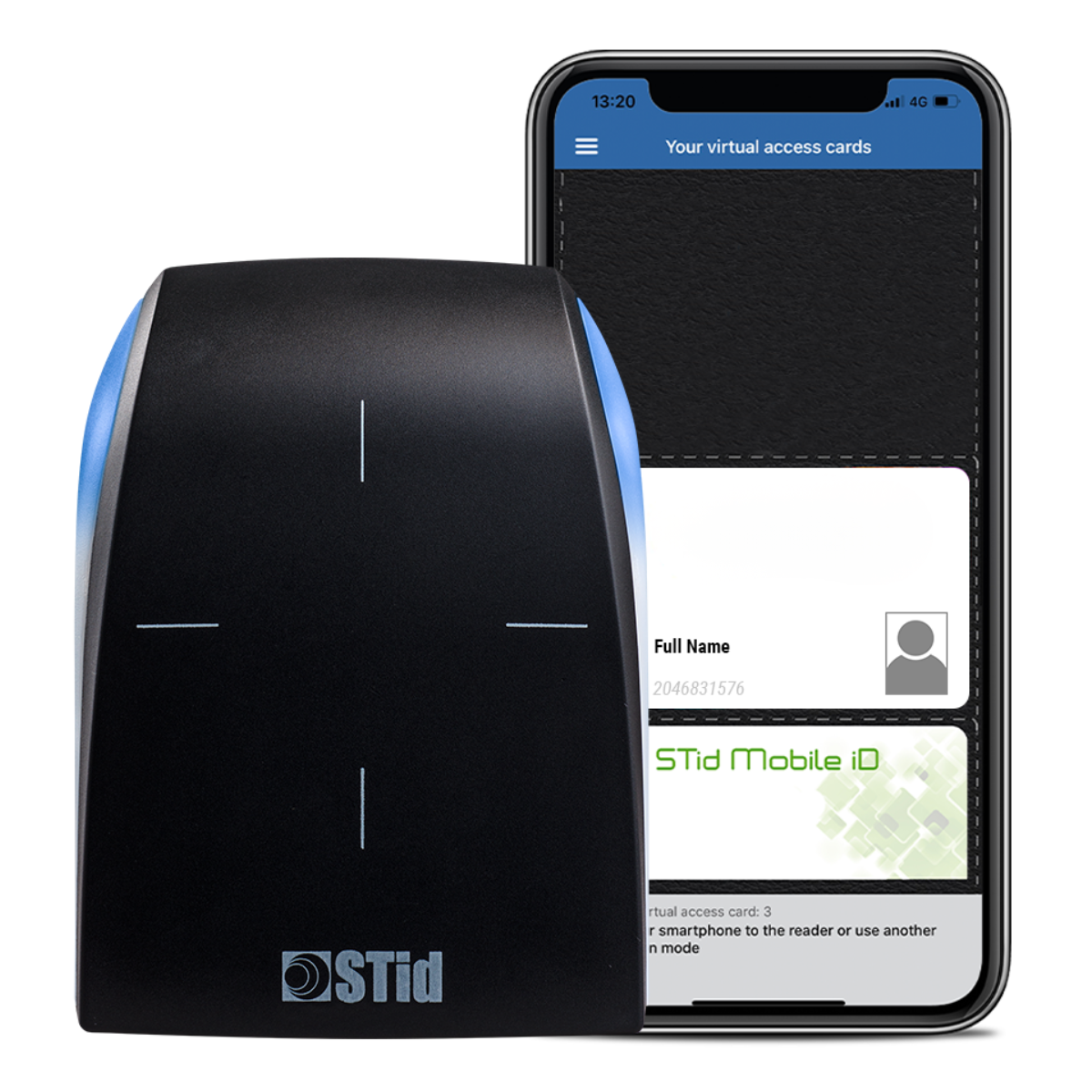
STid Mobile Readers, integrated with OMNIA Access Control, transform your smartphone into a secure digital key. This modern access control solution delivers flexibility, enhanced security, and seamless management—ideal for commercial buildings, education, healthcare, multi-residential, and enterprise environments.

Why Go Mobile? The Benefits of STid Mobile Readers

Mobile credentials are no longer a future concept—they’re a smarter way to manage access today. STid Mobile Readers offer several advantages over traditional card-based systems.

Convenience at Your Fingertips

Your smartphone is almost always with you. With STid Mobile Readers, users can unlock doors without searching for keys or access cards, creating a smoother, faster entry experience.

Enhanced Security

STid Mobile Readers use secure communication protocols and encrypted virtual credentials, making them significantly harder to clone or compromise than standard RFID cards. Credentials can be instantly revoked if a phone is lost or stolen—no re-carding required.

Cost-Effective and Sustainable

By issuing digital credentials instead of physical cards, organizations reduce printing, replacement, and administrative costs while also lowering environmental impact.

Support for Multiple Credential Types

Depending on the reader model, STid Mobile Readers can support multiple authentication methods in addition to mobile credentials, including:

  • RFID cards
  • PIN codes
  • QR codes

This flexibility allows organizations to support diverse user needs and transition to mobile access at their own pace.

Flexible Access Modes Designed for Real-World Use

STid Mobile Readers offer multiple access modes to suit different environments and user preferences:

  • Card Mode – Present your smartphone to the reader
  • TapTap Mode – Open doors by tapping your phone twice while it remains in your pocket
  • Voice Control Mode – Use voice commands on supported iOS devices
  • Remote Mode – Open doors remotely using your smartphone
  • Hands-Free Mode – Gain access simply by walking past the reader

These options improve accessibility, convenience, and user adoption—especially in high-traffic or hands-busy environments.

Seamless Integration with OMNIA Access Control

The real power of STid Mobile Readers is unlocked when paired with OMNIA Access Control, creating a unified and highly manageable security ecosystem.

Simple and Efficient Integration

1. Hardware Connection

STid Mobile Readers connect to OMNIA using standard interfaces such as Wiegand or OSDP, allowing for straightforward installation with OMNIA reader modules.

2. Centralized Credential Management

All mobile credentials are managed directly within OMNIA. Administrators can assign access rights, define schedules, and adjust permissions just as they would with physical credentials.

3. One Unified Security Platform

Once integrated, STid Mobile Readers operate seamlessly alongside traditional card readers. All access events, alarms, and user activity are centrally logged and managed within OMNIA, providing full visibility across your site.

4. Easy Enrollment and Deployment

Users receive secure mobile credentials through the STid Mobile ID app, making onboarding fast, simple, and scalable.

This integration allows organizations to adopt mobile access without replacing their existing OMNIA infrastructure—future-proofing security while maximizing return on investment.

A Smarter Way to Secure Your Facility

Imagine a world where your phone is your key—secure, convenient, and always with you. With STid Mobile Readers and OMNIA Access Control, that world is already here.

At PMT Security, we help organizations design, deploy, and support modern access control solutions that evolve with their needs. Whether you’re upgrading an existing system or planning a new installation, mobile access delivers a smarter, more secure way forward.

Ready to unlock mobile access?
Connect with PMT Security to learn how STid Mobile Readers and OMNIA can modernize your access control strategy.


Unleash the Power of Your Smartphone: STid Mobile Readers with OMNIA Access Control

Share:

  • Share on Twitter Share on Twitter
  • Share on Facebook Share on Facebook
  • Share on LinkedIn Share on LinkedIn
  • Share via Email Share via Email

Contact Us

PMT Security Inc. is here to help, contact us directly by phone,

USA +1 727-786-1900
CAD +1 647-999-4644

Monday-Friday, 8am-5pm Eastern

Knowledge Database
Technical Support
Download Center
  • Page 1
  • Page 2
  • Page 3
  • Interim pages omitted …
  • Page 5
  • Go to Next Page »
  • Facebook
  • LinkedIn
  • Twitter

PMT Security

Copyright © 2026 PMT Security, Inc. | All Rights Reserved