
How GIS Mapping Helps Campgrounds Improve Security Visibility
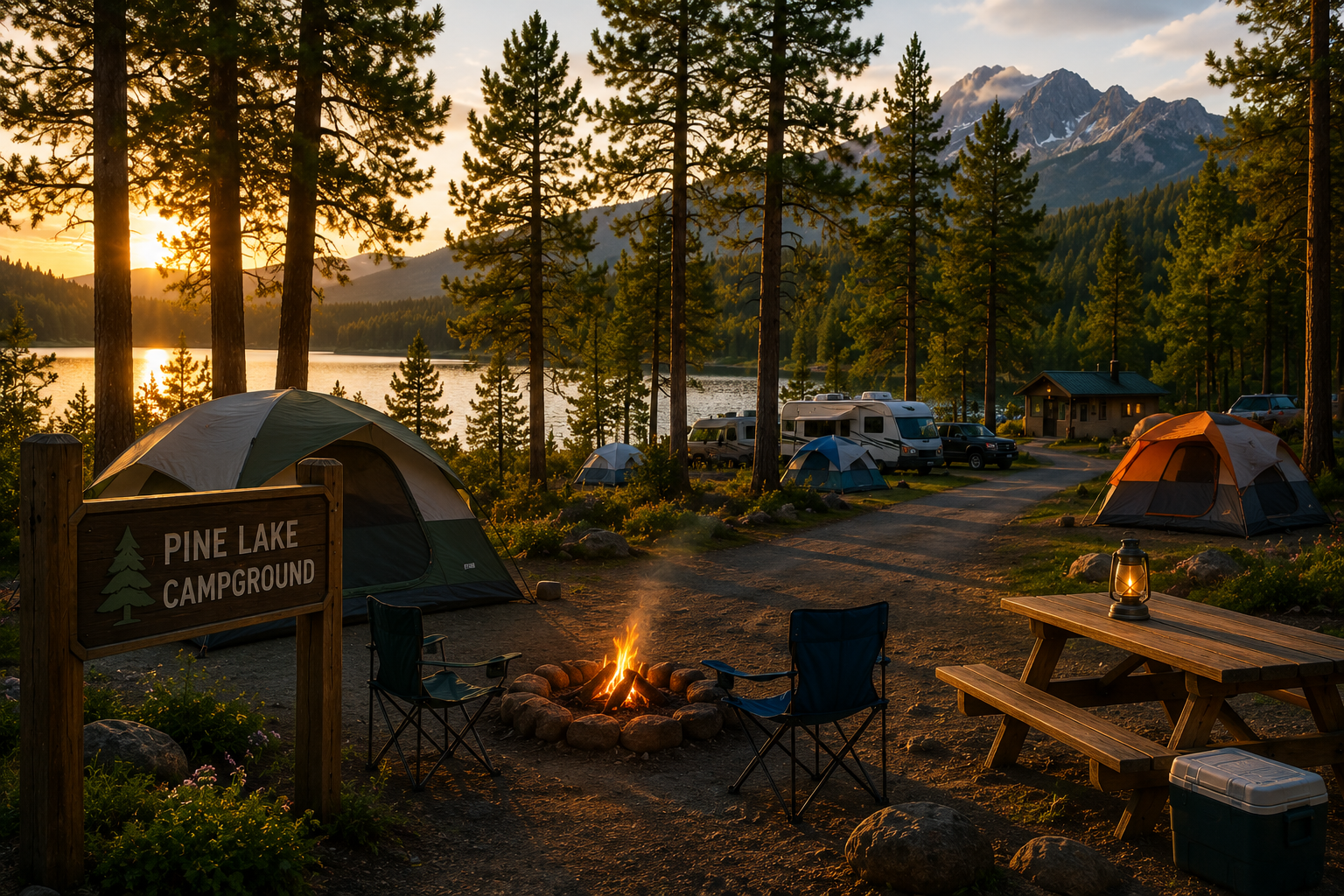
Campgrounds and outdoor resorts are not built like traditional commercial buildings. They often include wide roads, multiple entrances, cabins, RV sites, pools, washrooms, laundry buildings, storage areas, playgrounds, trails, waterfront access, maintenance yards, and large open boundaries.
That creates a unique security challenge: activity is spread across a large outdoor property.
A front desk or security office may need to understand what is happening at the main gate, a pool entrance, a visitor parking area, a remote cabin road, or a perimeter boundary — sometimes all at once. When information is buried in camera lists, alarm logs, access control screens, or separate systems, it can be difficult to respond quickly.
GIS mapping helps solve this problem by giving operators a visual way to understand the site.
Instead of thinking only in terms of camera numbers or device names, staff can view security activity on a map that reflects the real campground layout.
What Is GIS Mapping in a Security System?
GIS stands for Geographic Information System. In a security context, GIS mapping allows cameras, gates, alarms, access points, vehicles, and other resources to be placed on a map-based interface.
For a campground, this can mean seeing key security points in relation to real roads, zones, buildings, trails, gates, or amenities.
A GIS-based security view may help operators:
- Locate cameras by area instead of by camera name
- See where an alarm or boundary event occurred
- Open nearby video quickly
- Understand movement between zones
- View gate or vehicle activity in context
- Navigate large outdoor properties more easily
- Support faster incident review
This is especially useful for properties where activity is spread across multiple locations and not always visible from one office or control room.
Moving Beyond Camera Lists
Traditional video systems often rely on camera lists. This can work for small buildings, but it becomes harder when the property has many outdoor areas.
Camera names such as “Camera 14” or “North Lot 2” may not mean much to seasonal staff, new employees, or anyone unfamiliar with the property. Even experienced staff may lose time deciding which camera is closest to an event.
GIS mapping makes the system more intuitive.
A staff member can look at a map, select the area where something happened, and open the relevant cameras from that location. This helps reduce operator confusion and improves response time, especially during busy periods or after-hours situations.
Common Campground Areas That Can Benefit From GIS Mapping
GIS mapping can support many areas of a campground or outdoor resort, including:
- Main vehicle entrances
- Secondary gates
- Visitor parking areas
- RV roads and internal routes
- Cabins and rental units
- Laundry buildings
- Washrooms and shower facilities
- Pools and recreation areas
- Playgrounds
- Clubhouses and event spaces
- Storage buildings
- Maintenance yards
- Utility areas
- Waterfront or trail access points
- Perimeter fence lines or boundary zones
The value comes from seeing these areas as part of one connected property instead of isolated devices.
GIS Mapping and License Plate Recognition
Vehicle flow is one of the most important parts of campground security. RVs, trucks, cars, trailers, golf carts, service vehicles, and delivery vehicles may all move through the property.
When license plate recognition is used at an entry point, GIS mapping can help place that vehicle activity into a real-world context. Staff can see where the vehicle entered, which gate was used, and which nearby cameras may provide supporting footage.
This can be helpful for:
- Guest check-in verification
- Seasonal camper access
- After-hours entry review
- Contractor and vendor tracking
- Incident investigations involving vehicles
- Gate misuse or unauthorized entry concerns
For larger outdoor resorts, understanding where vehicle events occur can be just as important as knowing that the event happened.
GIS Mapping and Access Control
Access control can help manage gates, amenity buildings, washrooms, laundry rooms, staff-only areas, utility spaces, and maintenance buildings. When those access points are shown on a map, staff can better understand how access events relate to the physical property.
For example, if a door is forced open at a laundry building, the map can show the location, nearby cameras, and surrounding areas. If a pool gate is accessed after hours, staff can immediately identify where the event occurred and review related video.
For campgrounds using access control platforms such as OMNIA, map-based video workflows can add useful context to access events. Access control answers the question: “What happened?” GIS-supported video helps answer: “Where did it happen, and what else was nearby?”
GIS Mapping and Perimeter Awareness
Perimeter security is different in a campground environment. Boundaries may include fences, wooded edges, service roads, natural barriers, waterfront areas, or open land. Unlike a single building, there may not be one clear perimeter wall.
GIS mapping can help operators understand boundary alerts in context. If motion, analytics, or alarm inputs detect activity near a perimeter zone, the event can be connected to a specific location on the property map.
This allows staff to make better decisions about whether an event is likely to be routine activity, guest movement, wildlife, weather-related motion, or something requiring follow-up.
Because outdoor environments naturally create more variables, mapped context can help reduce confusion and support better response decisions.
GIS Mapping and Shared Amenities
Shared amenities are often among the busiest areas of a campground. Pools, clubhouses, laundry rooms, game rooms, washrooms, playgrounds, and event spaces may all have different access rules and activity patterns.
GIS mapping can help operators see how these spaces relate to guest areas and vehicle routes. If there is a complaint, damage report, medical issue, rule violation, or after-hours access event, staff can quickly move to the correct area.
This is particularly helpful when combined with:
- Video surveillance
- Access control
- Scheduled access permissions
- Motion search
- Bookmarking and incident notes
- Alarm workflows
- Secure video export
The result is a more organized way to review activity without manually searching through unrelated cameras.
Supporting Staff Who Are Not Security Specialists
Many campgrounds do not have a full-time security control room. Staff may be responsible for reservations, guest service, maintenance, events, groundskeeping, and safety concerns at the same time.
This makes usability important.
A map-based interface can make a security system easier for non-specialist staff to understand. Instead of expecting every user to memorize camera names, door names, and alarm points, GIS mapping presents information in a layout that resembles the property itself.
That can help during:
- Seasonal staff training
- After-hours guest support
- Incident response
- Maintenance coordination
- Management review
- Insurance or liability documentation
- Emergency planning
The easier a system is to navigate, the more likely it is to be used properly when it matters.
How CathexisVision Supports Map-Based Security Workflows
CathexisVision includes interactive map and GIS capabilities that allow cameras, vehicles, and key resources to be visualized on a map. Operators can open live camera views, filter resources, view system states, and use the map as a practical control layer.
For campgrounds, this can help connect video surveillance, access control, alarms, license plate recognition, and other security events into a more understandable workflow.
CathexisVision also supports tools such as smart search, motion search, activity trails, bookmarking, alarm management, interactive maps, and secure evidence handling. These functions can help campground operators move from simple video recording to more useful event review and site awareness.
Practical Planning Questions for Campground GIS Security
Before building a GIS-based security workflow, operators should start with the property layout and daily movement patterns.
Useful questions include:
- Where do guests, visitors, and contractors enter the property?
- Which roads or zones are most active?
- Which buildings need controlled access?
- Where do after-hours events typically occur?
- Which areas are difficult for staff to see in person?
- Where are vehicle-related incidents most likely?
- Which amenities need video or access visibility?
- Are there perimeter zones that need better awareness?
- Can staff quickly identify nearby cameras during an incident?
- Does the system support clear event review and export?
The answers can help determine where maps, cameras, access points, intercoms, LPR, and alarms should be connected.
GIS mapping helps make campground security more visual, practical, and easier to manage.
For outdoor resorts and campgrounds, the challenge is not only recording activity. It is understanding where activity is happening across a large and active property. A map-based security interface can help staff move from scattered events to real-world awareness.
When GIS mapping is combined with video surveillance, access control, license plate recognition, intercom, and alarm workflows, campground teams can respond with better context and review incidents more efficiently.
The strongest campground security systems are not just larger. They are easier to understand, easier to navigate, and better connected to how the property actually operates.
Share:
Frequently Asked Questions (FAQs)
GIS mapping allows cameras, gates, alarms, access points, vehicles, and other resources to be displayed on a map-based interface. This helps staff understand where security events are happening across a campground or outdoor resort.
Campgrounds are large outdoor properties with roads, gates, cabins, shared amenities, utility spaces, and open boundaries. GIS mapping helps staff view security activity in relation to the real property layout instead of relying only on camera lists or alarm names.
Yes. GIS mapping can help operators locate cameras, open live video views, follow activity between areas, and review incidents based on where they happened on the property.
When access-controlled gates, doors, or amenities are shown on a map, staff can quickly understand where an access event occurred and which nearby cameras or systems may provide more context.
Yes. License plate recognition events can be more useful when connected to a map because staff can see which entry point was used and where related video may be available.
No. GIS mapping can help any property where staff need a clearer visual understanding of cameras, gates, alarms, buildings, roads, amenities, or perimeter areas. Larger properties may see the greatest benefit, but smaller sites can also benefit from easier navigation.