• Skip to primary navigation
  • Skip to main content
PMT Security Logo

PMT Security

Advanced Access Control

  • Home
  • About Us
    • Security and Trust
    • Our Partners
    • Our Integrators
  • Solutions
    • Education
    • Retirement & Healthcare
    • Manufacturing
    • Government Facilities
    • Residential
    • Retail Businesses
    • Campgrounds & Outdoor Resorts
  • Products
    • Access Control
      • Control Features
      • Reporting & Monitoring
      • Control Module
      • Digital IO Module
      • Reader Module
      • Readers
    • Video Management
    • Visitor Management
    • Intercom
    • Live Guard Video Monitoring
    • Housings & Pedestals
  • Support
    • Knowledgebase
    • Download Center
    • License Request
    • RMA Request Form
  • Blog
  • Contact Us

Integrated Security Solutions

Remote Technical Support for Multi-Site Security Systems

How Remote Technical Support Helps Multi-Site Organizations Stay Operational

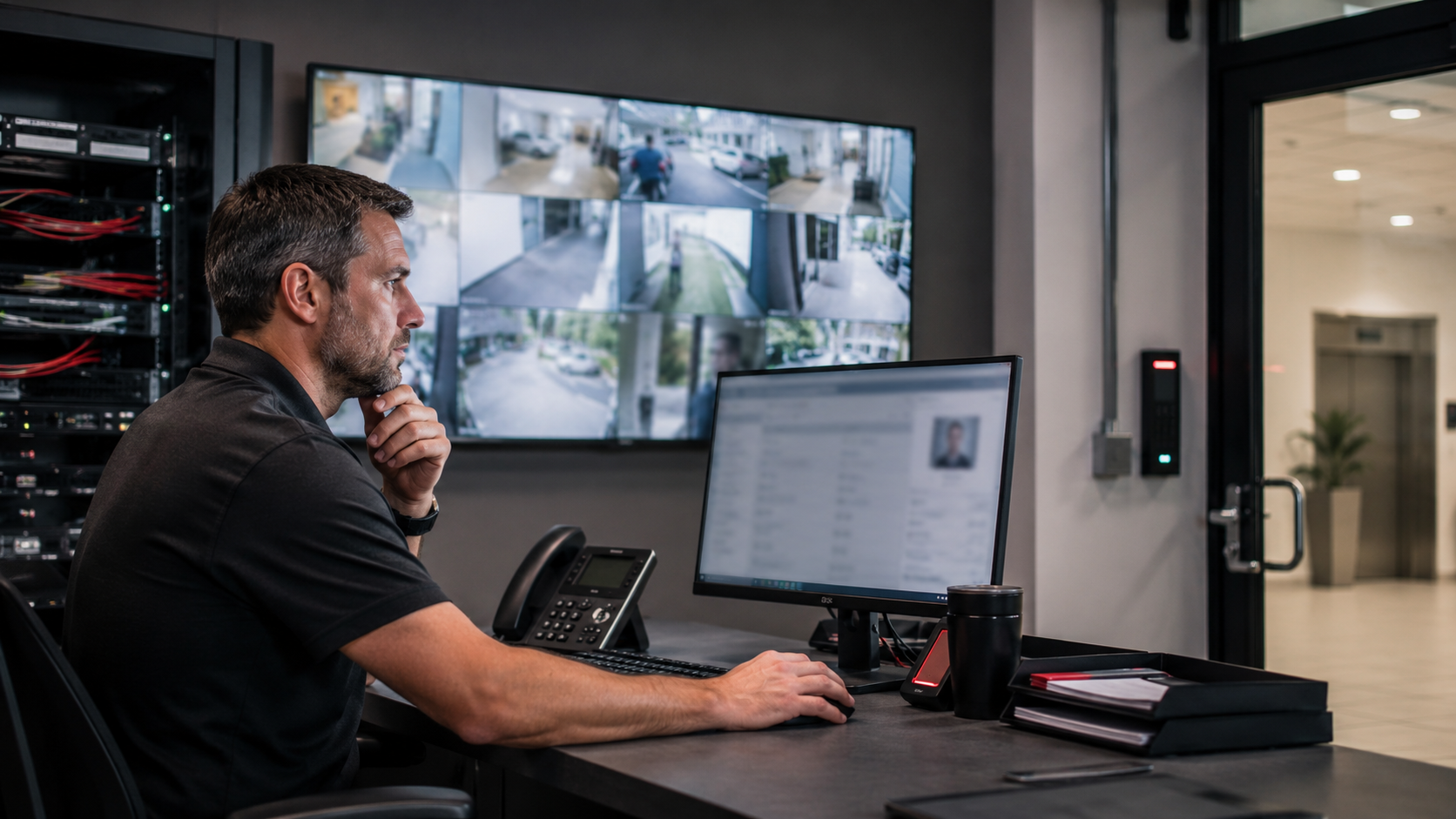
Managing physical security across multiple locations introduces operational challenges that many organizations underestimate.

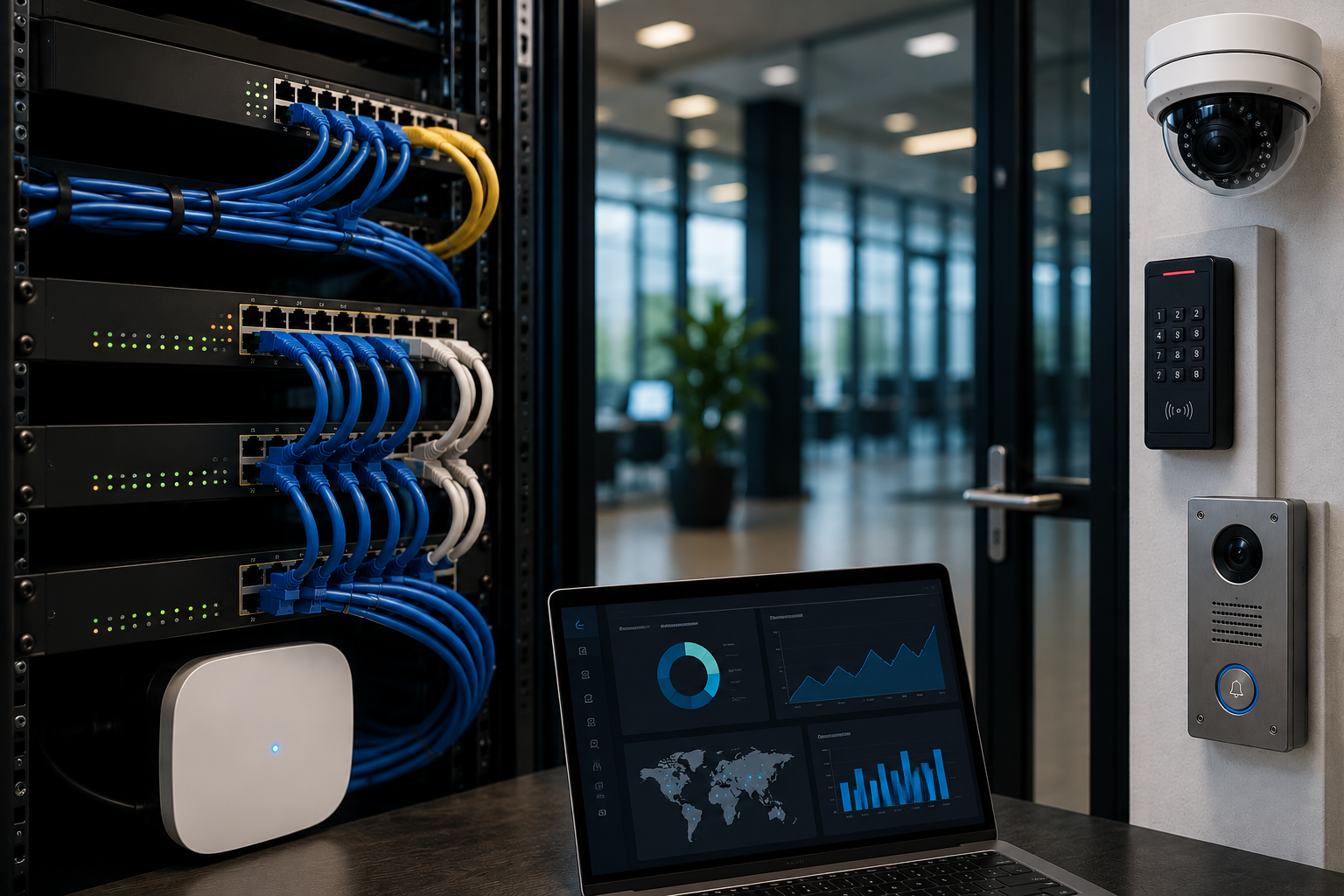
As businesses, educational institutions, healthcare facilities, manufacturers, and commercial property operators expand across multiple sites, maintaining reliable and consistent security operations becomes increasingly difficult. Access control systems, video surveillance platforms, intercoms, visitor management software, and network-connected infrastructure must all continue operating reliably — often across geographically separated facilities.

Remote technical support has become one of the most effective ways organizations maintain uptime, reduce disruptions, and improve operational consistency across distributed security environments.

At PMT Security, PMTCare provides remote technical support services designed to help organizations manage integrated physical security systems more efficiently while reducing pressure on internal teams.

Why Multi-Site Security Environments Are More Complex

Multi-site deployments often combine multiple technologies and generations of hardware. A single organization may operate:

  • Access control systems
  • Video management software
  • Intelligent intercom systems
  • Visitor management platforms
  • Cloud-connected services
  • Remote networking equipment
  • Mobile credential solutions

As deployments grow, organizations frequently encounter operational inconsistencies between locations. Older firmware versions, unsupported hardware, network instability, and configuration differences can create reliability issues that are difficult to identify without centralized oversight.

Common challenges include:

  • Delayed firmware updates
  • Credential synchronization problems
  • Inconsistent camera retention settings
  • Limited visibility into system health
  • Local IT resource limitations
  • Communication interruptions between devices
  • Integration failures between platforms

Without structured support processes, even minor technical issues can escalate into larger operational disruptions.

Faster Troubleshooting Without Waiting for On-Site Service

One of the largest advantages of remote technical support is faster response time.

Many physical security issues can now be diagnosed and resolved remotely, including:

  • Credential and cardholder issues
  • Software configuration errors
  • Database synchronization problems
  • Camera communication failures
  • Recording configuration adjustments
  • User permission changes
  • Firmware verification
  • Event log analysis

Instead of waiting for an on-site service visit, support teams can often identify issues immediately using secure remote access tools. For organizations operating 24/7 environments, reducing troubleshooting delays can significantly minimize downtime and operational impact.

Remote diagnostics also allow organizations to prioritize which issues truly require dispatching technicians onsite, helping reduce unnecessary service costs.

Cybersecurity Has Become Part of Physical Security

Modern physical security systems increasingly rely on IP-based infrastructure, cloud services, and interconnected devices.

Organizations such as the Cybersecurity and Infrastructure Security Agency and the Security Industry Association continue emphasizing the importance of cybersecurity best practices for physical security infrastructure. These include:

  • Software patch management
  • Firmware maintenance
  • Password security
  • Secure remote connectivity
  • Network segmentation
  • Backup verification
  • Unsupported device identification

Remote support services now play an important role in helping organizations maintain secure and supported environments.

As physical security systems become more integrated with corporate IT infrastructure, ongoing technical oversight is becoming increasingly important for operational continuity and risk reduction.ental wear and degradation before hardware failures impact operations.

Supporting Educational and Campus Environments

Educational institutions often operate large distributed environments with highly dynamic schedules and security requirements.

Security systems within schools and campuses may support:

  • Controlled entry points
  • Visitor management
  • Emergency lockdown procedures
  • After-hours scheduling
  • Surveillance investigations
  • Parking and perimeter monitoring

Remote support allows technical teams to quickly adjust schedules, permissions, and configurations across multiple campuses while minimizing disruption to students, staff, and daily operations.

Seasonal scheduling updates, holiday access changes, and temporary credential management can often be completed remotely without requiring on-site intervention. across these integrations while improving long-term operational continuity.

Better Operational Visibility Across Multiple Sites

Remote monitoring provides organizations with improved visibility into the health of their security infrastructure.

Rather than waiting for failures to occur, support teams can proactively identify:

  • Offline devices
  • Storage warnings
  • Recording gaps
  • Integration failures
  • Database performance concerns
  • Firmware inconsistencies
  • Communication interruptions

This proactive visibility helps organizations make better decisions regarding:

  • Upgrade planning
  • Lifecycle management
  • Budget forecasting
  • System standardization
  • Infrastructure expansion

Organizations with centralized operational visibility are often better positioned to maintain long-term system reliability across multiple facilities.

Reducing Pressure on Internal IT Teams

Internal IT departments are already responsible for maintaining a wide range of business-critical systems.

Physical security environments introduce additional complexity through:

  • Specialized hardware
  • Manufacturer-specific configurations
  • Integration dependencies
  • Compliance considerations
  • Real-time operational expectations

Remote technical support services help reduce workload on internal teams while providing access to specialized expertise related specifically to physical security infrastructure.

This becomes especially valuable for organizations managing multiple vendors, legacy hardware, or rapidly growing deployments.ce.

As organizations continue expanding across multiple locations, remote technical support is becoming an essential operational strategy rather than simply a convenience.

Faster troubleshooting, proactive monitoring, cybersecurity support, and centralized operational visibility all contribute to improved reliability and reduced downtime across distributed security environments.

PMTCare helps organizations maintain stable and consistent physical security operations through remote diagnostics, lifecycle planning, technical support, and ongoing system maintenance.

Remote Technical Support for Multi-Site Security Systems

Share:

  • Share on Twitter Share on Twitter
  • Share on Facebook Share on Facebook
  • Share on LinkedIn Share on LinkedIn
  • Share via Email Share via Email

Frequently Asked Questions (FAQs)

What is remote technical support for security systems?

Remote technical support allows security professionals to diagnose, troubleshoot, configure, and maintain physical security systems without requiring an on-site visit.

What types of security systems can be supported remotely?

Many modern systems can be remotely supported, including access control systems, video management software, intercoms, visitor management platforms, and cloud-connected security infrastructure.

How does remote support improve uptime?

Remote support reduces delays by allowing technicians to quickly diagnose and resolve issues remotely, minimizing downtime and operational disruption.

Is remote support secure?

When properly configured using secure remote access practices, encrypted connections, and cybersecurity best practices, remote support can be safely integrated into physical security environments.

Why is remote support important for multi-site organizations?

Multi-site organizations often manage complex deployments across different facilities. Remote support helps maintain consistency, improve visibility, and reduce the operational burden on local IT teams.

Can remote support help with cybersecurity maintenance?

Yes. Remote support teams often assist with firmware updates, software patch verification, backup monitoring, password management guidance, and identifying unsupported devices.

Contact Us

PMT Security Inc. is here to help, contact us directly by phone,

USA +1 727-786-1900
CAD +1 647-999-4644

Monday-Friday, 8am-5pm Eastern

Knowledge Database
Technical Support
Download Center

Why Preventive Security System Maintenance Matters More Than Ever

Why Preventive Security System Maintenance Matters More Than Ever

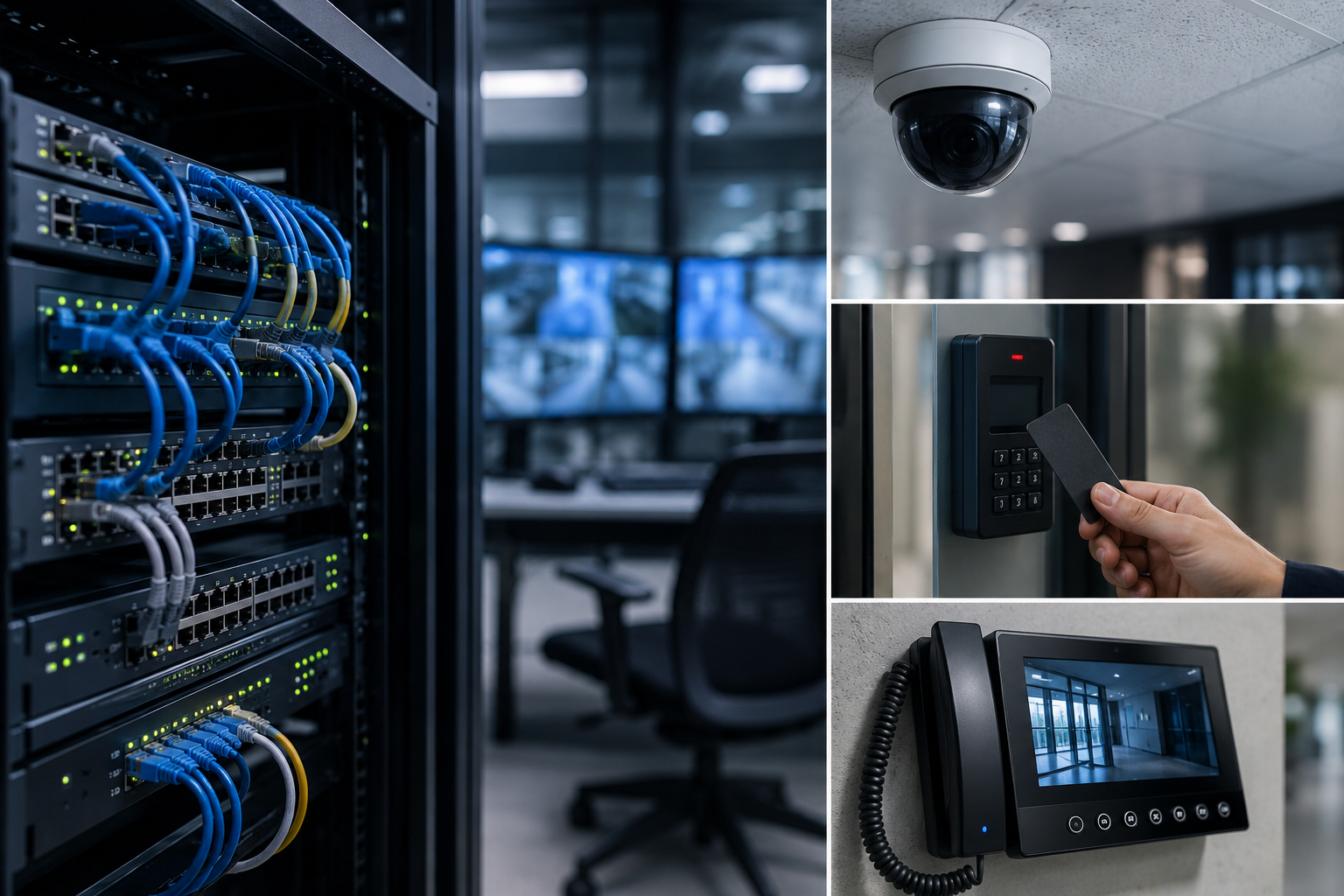
Modern physical security systems are expected to operate continuously across commercial buildings, manufacturing facilities, schools, retirement homes, and multi-site environments. Access control, video surveillance, intercoms, visitor management, and supporting network infrastructure now work together as part of a larger operational ecosystem.

As these systems become more interconnected, preventive maintenance has become increasingly important.

Security platforms are no longer isolated technologies that can simply be installed and forgotten. They rely on software updates, stable databases, healthy storage infrastructure, secure networking, and reliable hardware performance to operate effectively over time.

For organizations managing critical infrastructure and daily operations, preventive maintenance helps reduce operational risk, improve system reliability, and support long-term infrastructure planning.

The Growing Risks of Reactive Security Support

Many organizations only contact technical support after a failure occurs. While emergency support remains important, reactive service models often create larger operational challenges that could have been prevented earlier.

Unexpected failures can lead to:

  • Unplanned system downtime
  • Delayed investigations
  • Credential or access failures
  • Reduced video retention reliability
  • Database corruption risks
  • Increased pressure on IT departments
  • Emergency service interruptions

Modern physical security environments are increasingly dependent on IP-based infrastructure and integrated workflows. A single issue affecting storage, networking, or software synchronization can impact multiple operational systems simultaneously.

Organizations such as the Cybersecurity and Infrastructure Security Agency and the National Institute of Standards and Technology continue to emphasize the importance of software patching, lifecycle management, infrastructure maintenance, and cybersecurity monitoring for connected operational technologies.

Why Preventive Maintenance Matters

Preventive security system maintenance focuses on identifying issues before they become operational disruptions.

Routine maintenance allows organizations to:

  • Detect hardware degradation early
  • Maintain software compatibility
  • Improve cybersecurity readiness
  • Preserve database integrity
  • Reduce unexpected downtime
  • Extend infrastructure lifespan
  • Support long-term upgrade planning

Preventive maintenance also helps ensure systems continue performing consistently during incidents, investigations, emergencies, and compliance-related events.

Common Security System Issues Often Overlooked

Aging Video Storage Infrastructure

Video surveillance systems depend heavily on storage performance and retention reliability.

Over time, aging hard drives, misconfigured retention policies, and insufficient storage planning can lead to missing footage, inconsistent recording performance, or failed exports during investigations.

Routine system health reviews help identify storage-related risks before failures occur.

Access Control Database Health

Access control environments frequently grow over time as facilities expand, staff changes occur, and new integrations are added.

Without periodic audits, organizations often accumulate:

  • Inactive credentials
  • Outdated user permissions
  • Inconsistent schedules
  • Unused access groups
  • Legacy configuration conflicts

Regular database maintenance helps reduce administrative complexity while improving overall system performance and security.

Firmware and Software Updates

Manufacturers regularly release firmware and software updates to improve:

  • Cybersecurity protections
  • Integration compatibility
  • System stability
  • Analytics performance
  • Device reliability

Delaying updates can create unsupported environments, compatibility issues, or increased cybersecurity exposure.

Environmental Exposure

Security hardware installed in manufacturing facilities, parking structures, outdoor areas, or industrial environments is often exposed to:

  • Dust
  • Moisture
  • Vibration
  • Temperature fluctuations

Preventive inspections help identify environmental wear and degradation before hardware failures impact operations.

Modern Security Systems Are Fully Integrated

Today’s physical security platforms often integrate multiple technologies into a single operational workflow, including:

  • Video management systems
  • Access control platforms
  • Intelligent intercom systems
  • Visitor management software
  • License plate recognition
  • Mobile credentials
  • Cloud-based services
  • AI analytics tools

Because these systems are interconnected, even small configuration issues can affect investigations, reporting, alarm verification, or operational workflows across multiple departments.

Preventive maintenance helps organizations maintain stability across these integrations while improving long-term operational continuity.

Manufacturing Facilities Face Additional Challenges

Manufacturing environments place unique demands on physical security infrastructure.

Facilities often operate across multiple shifts while supporting restricted production areas, perimeter monitoring, health and safety reviews, asset protection, and audit trail requirements.

Environmental conditions can also accelerate hardware wear and reduce long-term reliability if systems are not regularly maintained.

Video surveillance systems within manufacturing facilities may additionally support:

  • Incident investigations
  • Process verification
  • Safety compliance reviews
  • Vehicle tracking
  • Perimeter security monitoring

Routine preventive support helps ensure these systems continue operating reliably under demanding operational conditions.

Preventive Support Improves Infrastructure Lifespan

One of the most overlooked advantages of preventive maintenance is extending the usable life of existing infrastructure.

Properly maintained systems often avoid premature replacement costs by:

  • Reducing hardware strain
  • Improving software stability
  • Identifying failures earlier
  • Preserving integration compatibility
  • Supporting phased upgrade strategies

This allows organizations to plan upgrades strategically instead of responding to unexpected failures with emergency replacements.sk and ensures consistent system performance.

Preventive maintenance is no longer just an IT consideration — it has become an operational necessity for modern physical security environments.

As access control, surveillance, intercom, analytics, and visitor management systems continue evolving into integrated operational platforms, proactive maintenance plays a critical role in maintaining reliability, continuity, and long-term infrastructure performance.

Ongoing system support helps organizations reduce operational risk, improve uptime, and ensure security technologies continue supporting the people, facilities, and processes that rely on them every day.

Why Preventive Security System Maintenance Matters More Than Ever

Share:

  • Share on Twitter Share on Twitter
  • Share on Facebook Share on Facebook
  • Share on LinkedIn Share on LinkedIn
  • Share via Email Share via Email

Frequently Asked Questions (FAQs)

Why is preventive maintenance important for security systems?

Preventive maintenance helps identify issues before they cause operational failures. It improves reliability, reduces downtime, and extends the lifespan of access control, surveillance, and integrated security infrastructure.

How often should security systems be maintained?

Most organizations benefit from scheduled maintenance reviews at least annually, though larger or more complex environments may require quarterly inspections and health checks.

What systems should be included in preventive security maintenance?

Maintenance should include access control systems, video surveillance platforms, intercom systems, databases, storage infrastructure, firmware, networking equipment, and integrated software platforms.

Can preventive maintenance improve cybersecurity?

Yes. Regular firmware updates, software patching, database reviews, and infrastructure monitoring help reduce cybersecurity risks associated with connected security systems.

Why are manufacturing facilities more demanding on security infrastructure?

Manufacturing environments often expose hardware to dust, vibration, moisture, and temperature fluctuations while operating continuously across multiple shifts, which can increase wear and operational demands.

What are the risks of delaying firmware and software updates?

Delayed updates can create unsupported environments, compatibility issues, cybersecurity vulnerabilities, and reduced system stability over time.

Contact Us

PMT Security Inc. is here to help, contact us directly by phone,

USA +1 727-786-1900
CAD +1 647-999-4644

Monday-Friday, 8am-5pm Eastern

Knowledge Database
Technical Support
Download Center

Why Security Systems Need Firmware Updates

Why Security Systems Need Firmware Updates

Security systems are expected to operate continuously without failure.

Access control, video surveillance, and integrated platforms protect people, property, and operations every day.

However, these systems are not static. They rely on firmware — embedded software that controls how devices function—and that firmware must be maintained over time.

Ignoring firmware updates can lead to reduced performance, system instability, and increased security risk.

Why do security systems need firmware updates?
Security systems need firmware updates to improve performance, fix vulnerabilities, maintain compatibility with modern technologies, and ensure reliable communication between devices. Without updates, systems may experience failures, security risks, and integration issues.

What Firmware Does in a Security System

Firmware is the software built into physical devices such as controllers, readers, and cameras. It determines how those devices communicate, process data, and interact with the broader system.

For technical teams, firmware defines device behavior and communication. For decision makers, it directly impacts reliability, uptime, and risk.

Why Firmware Updates Matter

Stability and Reliability

Over time, firmware updates correct defects that can affect system performance. Without updates, devices may begin to behave unpredictably, lose communication, or respond more slowly.

These issues often appear as intermittent failures, which can be difficult to diagnose and disruptive to daily operations.

Security Protection

Security systems must remain secure themselves. Updates frequently include fixes for vulnerabilities and improvements to encryption and authentication.

Outdated firmware increases exposure to risk, particularly in systems connected to networks or integrated with other platforms.

Compatibility in Modern Systems

Security environments are no longer isolated. Access control, video surveillance, and intercom systems are often integrated into a unified platform.

System updates ensure that devices continue to communicate properly with one another. Without them, integrations may fail, data may not align, and system performance can degrade.

Performance and Communication

Modern security systems depend on fast, reliable communication between devices. Firmware updates improve how controllers, readers, and servers exchange information.

This directly affects how quickly systems respond to events and how accurately they reflect real-time activity.

Extended System Value

Firmware updates often introduce enhancements that improve functionality or support newer technologies. This allows organizations to extend the life of existing hardware without requiring full system replacement.

Signs Your Security System Needs a Firmware Update

Systems rarely fail without warning.

Common indicators include:

  • doors responding slower than expected
  • devices going offline intermittently
  • unexpected access denials
  • integrations failing or behaving inconsistently
  • increased troubleshooting time


Many issues initially believed to be hardware failures are resolved with firmware updates.

Firmware Updates in Integrated Security Environments

Modern security systems operate as part of a connected infrastructure. Access control, video surveillance, intercom systems, and other technologies are designed to function together.

In these environments, firmware updates are not isolated tasks. One outdated component can affect how the entire system performs.

Outdated firmware may lead to integration failures, inconsistent data, or delays in system response. These issues reduce visibility and make it more difficult to respond effectively to events.

An integrated security system is only as strong as the infrastructure supporting it — and keeping every component up to date is what ensures it performs when it matters most.

Risks of Skipping Firmware Updates

Delaying firmware updates can lead to system instability, increased troubleshooting time, and compatibility issues.

Over time, this can result in higher service costs and reduced confidence in system performance. In some cases, unresolved vulnerabilities may also introduce avoidable security risks.

For decision makers, this translates into operational impact and exposure. For technical teams, it often results in preventable service work and complexity.

Best Practices for Firmware Management

Updates should be planned—not reactive.

Recommended approach:

  • schedule updates during maintenance windows
  • back up system databases before updating
  • follow proper upgrade sequences
  • test updates where possible
  • maintain firmware version documentation

A structured approach reduces risk and ensures consistent system performance.

Security systems require ongoing maintenance to remain effective. Updates are a critical part of that process.

They improve system stability, strengthen security, and ensure compatibility across integrated platforms.

A proactive approach to firmware management helps organizations avoid unnecessary issues and maintain confidence in their security systems..

Why Security Systems Need Firmware Updates

Share:

  • Share on Twitter Share on Twitter
  • Share on Facebook Share on Facebook
  • Share on LinkedIn Share on LinkedIn
  • Share via Email Share via Email

Frequently Asked Questions (FAQs)

What is firmware in a security system?

Firmware is embedded software that controls how devices such as controllers, readers, and cameras operate and communicate.

Why are firmware updates important?

They improve stability, fix vulnerabilities, and ensure compatibility with modern systems.

Can outdated firmware cause system failures?

Yes, outdated firmware can lead to communication issues, instability, and reduced performance.

How often should firmware be updated?

Firmware should be reviewed regularly and updated as part of a planned maintenance schedule.

Contact Us

PMT Security Inc. is here to help, contact us directly by phone,

USA +1 727-786-1900
CAD +1 647-999-4644

Monday-Friday, 8am-5pm Eastern

Knowledge Database
Technical Support
Download Center

“Guarding the Honmoon”: What K-Pop Demon Hunters Can Teach Real-World Physical Security

“Guarding the Honmoon”: What K-Pop Demon Hunters Can Teach Real-World Physical Security

Pop culture and physical security may not seem like they connect. But when we look at the story of K-Pop Demon Hunters, a vibrant musical fantasy featuring superstars who double as demon-hunters, surprising parallels emerge. These parallels shed light on how modern organizations—those managing campuses, retail businesses , manufacturing sites, government facilities—must orchestrate their security infrastructure.

In the film, the idol group HUNTR/X dazzles global audiences by day and battles sinister forces by night. Their mission: maintain the “Honmoon,” a mystical barrier that keeps darkness at bay. In the world of physical security, the “Honmoon” is our metaphor for the integrated system of surveillance, access control, visitor management and analytics that protects people and assets.

At PMT Security, we operate in that realm. With over 30 years in North America and over 5,000 installations, we understand that safety is less about a single product and more about the harmony of many moving parts.

At first glance, K-Pop Demon Hunters—a vibrant film about pop idols secretly battling dark forces—might seem worlds apart from the field of physical security. But look closer, and the parallels are striking. Behind every flawless performance lies discipline, coordination, and unseen protection—the very same principles that drive effective security systems.

In this article, we’ll explore how lessons from K-Pop Demon Hunters mirror the real-world challenges and teamwork that define modern physical security—and how PMT Security builds those invisible barriers that keep every performance running safely and seamlessly.

The Unseen Performance

In the movie, audiences cheer for HUNTR/X’s on-stage magic—light shows, choreography, signature moves. But the real work happens off stage: training, coordination, readiness.

Similarly, in physical security most users never see the guard watching the monitor, the camera silently tracking movement, the access event logged in the system. What they experience is the business environment that just runs—confident, fluid, safe.

PMT Security’s role focuses precisely here: quietly building the backbone that enables operations to shine. Whether it’s integrating video management systems like CathexisVision or access platforms like OMNIA, our team ensures the backstage is solid, so our clients’ “on-stage” moments go worry-free.

The Barrier Called “Honmoon” — A Living, Adaptive Shield

The Honmoon in the film isn’t simply a wall—it’s a living barrier. It thrives on the performance, the unity, the song of HUNTR/X. If the energy dips, the barrier weakens and the demons seep in.

In the physical security world, the perimeter or “barrier” is just as dynamic. It’s no longer simply a fence or a door—it’s a composition of multiple systems:

  • Surveillance: Advanced cameras capturing live footage, supplemented with analytics and event detection.
  • Access Control: Systems determining who enters, when, and where—OMNIA offers granular permissions and auditing.
  • Visitor Management / Intercom: Front-desk or lobby systems that manage guest flow, identity verification, and documentation.
  • Video Management: CathexisVision unifies these streams, enabling operators to monitor, record, query and respond.

When these components are integrated—with coherent workflows, responsive alerts, and unified data—they form the modern barrier: smart, resilient, adaptive. Just like the Honmoon.

The moment one component is weak (say, a blind spot in camera coverage or an access protocol not followed), the whole system is vulnerable—similar to how the film’s barrier fails when the idols lose synchronicity.

Teamwork, Choreography & the Security Ensemble

HUNTR/X succeed when each member brings their unique skill and they coordinate flawlessly. The stage is a dance of trust and timing.

Physical security demands the same choreography:

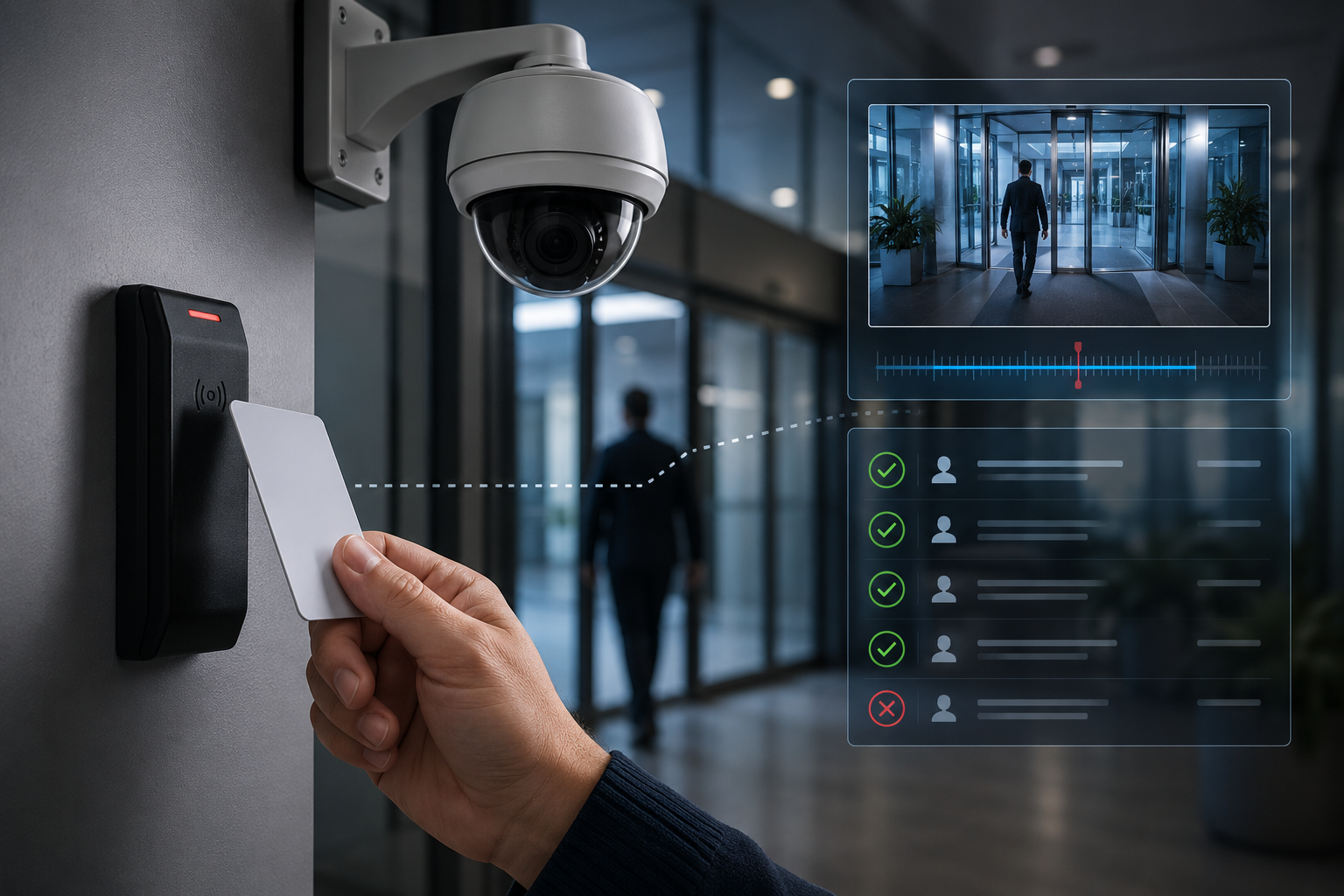
  • A camera sees suspicious motion, triggers an alert.
  • The access control dashboard flags an unrecognised badge attempt.
  • The operator pulls up the video, confirms, dispatches a guard.
  • The incident is logged, analysed, and deferred for follow-up.

This isn’t just technology—it’s teamwork. Integrators like PMT Security design not just the system, but the performance: people, processes and technology all in harmony. Because even the best system fails if it’s not user-friendly.

Building Trust Through Visibility – Without Being Obvious

One of the most elegant aspects of the film is how fans don’t know the idols are battling demons—they just feel safe, entertained. That’s the mark of effective security: when people feel safe without noticing the mechanism.

Organizations want that same outcome: customers walking into a retail store, students moving freely across campus, employees collaborating—all confident and comfortable.

Research into the physical security market shows this rising expectation: stakeholders want protection that is seamless, invisible, yet reliable. PMT Security’s 30+ years in North America, 150+ integrator partnerships, and 24/7 support underscore the commitment behind that seamless experience.

When end-users trust the environment, they’re free to focus on what matters—growth, productivity, innovation—not worry about whether the cameras are working.

Familiar Faces, Hidden Threats

In K-Pop Demon Hunters, the rival group SAJA BOYS appear harmless—but beneath their glamour lies the threat. This duality holds a mirror to reality: often, the biggest risks are those disguised as normal operations.

In physical security:

  • A contractor badge is still active after their work ends.
  • A visitor swipes in but isn’t correctly logged.
  • A camera reports OK status but is mis-aligned or out of focus.

The integrator’s role here is critical: to ensure that identity, monitoring, and oversight aren’t assumptions—they’re verified, tested, audited. PMT Security’s approach of no direct sales (only through trusted integrators) and deep partner networks helps ensure that deployment isn’t just hardware—it’s engineered and managed.

Innovation, Momentum & the Security Culture

HUNTR/X stay popular by evolving—new songs, bold visuals, bigger stages. Their momentum comes from staying ahead of trends.

Physical security is similarly evolving. Analytics, cloud-based management, mobile credentials, IoT sensors—all changing the landscape.

PMT Security continues to expand offerings: integrating systems with 100+ third-party connections, delivering over 5,000 installations, and providing a culture of “can-do” innovation.

But technology alone isn’t enough. Culture matters. Organizations succeed when security is embraced by leadership, operations, front-line staff. When people believe the system, they act as defenders, not just users.

Resilience: When the Music Fades, and You Still Perform

Every concert ends—and every perimeter will be tested. In the film, the real test comes when the spectacle ends and the true fight begins.

In physical security, resilience means:

  • Redundancy (backup power, network failover).
  • Maintenance (ensuring systems stay aligned and updated).
  • Incident-response (clear protocols, documented workflows, trained teams).
  • Forensics and review (video logs, access audit trails, post-event investigation).

PMT Security supports that resilience with 24/7 support, established integrator networks, and best-in-class platforms.

When something goes wrong, the measure of success isn’t just how it fails but how quickly it recovers.

Bringing It All Back: The Honmoon Restored

At the end of K-Pop Demon Hunters, with unified force, refined strategy, and undivided purpose, the Honmoon is restored. The barrier stands strong again.

In the real world, that goal is a secure, smooth-running facility where security is embedded, not burdensome. Where employees, visitors and stakeholders feel safe—without constantly seeing the mechanisms doing the heavy lifting.

For organizations that partner with PMT Security, the objective becomes:

  • Protect people and assets.
  • Streamline operations, reduce friction.
  • Stay ahead of threats—hidden or visible.
  • Maintain confidence, trust and continuity.

Because in the end, security is less about visible heroics and more about consistent reliability. The show in front of the curtain runs because the crew behind it cares.

Why PMT Security is a Partner Worth Choosing

North American heritage: Serving since 1992 in the United States, strong experience in education, government facilities, manufacturing, retail, hospitality.

Integrator-first model: Trusted partners only—no direct sales to end-users—ensuring integrity and expertise.

Proven scale: More than 5,000 installations; more than 150 active integrators; deep third-party compatibility across 100+ systems.

Leading platforms: Solutions built around CathexisVision for video management, OMNIA for access control and other modular components—engineered for today’s complex environments.

Support & culture: 24/7 technical support, creative problem-solving culture, continuous innovation mindset.

When you’re securing a campus, manufacturing site, or multi-unit enterprise—but still want the feel of a smooth, invisible experience—PMT Security brings the expertise, the tools, and the mindset.

Final Thoughts

When you watch K-Pop Demon Hunters, you’re entertained by singing, dancing, and spectacle. But underneath, there’s a story of guardianship, of unseen teamwork, of barriers that matter.

The same story plays out in physical security—not through stage lights, but through monitored feeds; not through chart-topping songs, but through well-executed deployment; not through costume changes, but through firmware updates and configuration checks.

At the end of the day: Build your barrier. Coordinate your team. Invest in the orchestra behind the scene so your front-stage runs uninterrupted.

Because the best security, like the most memorable show, leaves people saying: “I felt safe, I didn’t even notice—but I’m glad it was there.”

“Guarding the Honmoon”: What K-Pop Demon Hunters Can Teach Real-World Physical Security

Share:

  • Share on Twitter Share on Twitter
  • Share on Facebook Share on Facebook
  • Share on LinkedIn Share on LinkedIn
  • Share via Email Share via Email

Contact Us

PMT Security Inc. is here to help, contact us directly by phone,

USA
1810 S. Pinellas Ave,Suite N
Tarpon Springs, FL 34689

CANADA
16 Tamarack Way
Wasaga Beach, ON L9Z 3B4

USA +1 727-786-1900
CAD +1 647-999-4644

Monday-Friday, 8am-5pm Eastern

Knowledge Database
Technical Support
Download Center

Bruce Moore Driving Innovation & Growth

Meet Bruce Moore: Powering the company’s vision, performance, and global growth.

Bruce Moore is a seasoned executive and industry leader with over 30 years of experience in security technology, product manufacturing, and business operations. As the President of PMT Security, he drives the company’s strategic vision, operational excellence, and market expansion, ensuring that PMT Security remains at the forefront of security and access control technology.

President | Security Technology Leader | Operations & Manufacturing Expert

Bruce Moore is a seasoned executive and industry leader with over 30 years of experience in security technology, product manufacturing, and business operations. As the President of PMT Security, he drives the company’s strategic vision, operational excellence, and market expansion, ensuring that PMT Security remains at the forefront of security and access control technology.

Before taking the helm at PMTronics (PMT Security) in 2018, Bruce spent an impressive 24 years at Impro Technologies, where he served as Production Director. During his tenure, he played a pivotal role in streamlining production processes, enhancing product quality, and optimizing supply chain operations. His leadership was instrumental in scaling manufacturing capabilities, improving operational efficiency, and ensuring the delivery of cutting-edge security solutions to global markets.

Bruce’s international expertise spans multiple regions. In Asia, he managed product compliance to ensure adherence to market standards in Japan and other countries. He also traveled to Japan to train employees on advanced security technologies and operational best practices. In Europe, Bruce was responsible for training all channel partners, equipping them with the knowledge and tools to successfully implement security solutions. Additionally, he extended his global training efforts to channel partners in various regions, reinforcing his ability to drive business growth through education and collaboration across diverse markets.

With a deep understanding of product development, manufacturing, and security technology, Bruce has built a reputation for innovation, strategic growth, and operational excellence. His expertise in leading high-performance teams, optimizing production workflows, and delivering top-tier security solutions has been key to his long-standing success in the industry. 

Bruce Moore’s commitment to innovation and operational excellence continues to position PMT Security as a trusted leader in security technology, ensuring that businesses worldwide have reliable and cutting-edge security solutions to meet their needs.

.

Bruce Moore Driving Innovation & Growth

Share:

  • Share on Twitter Share on Twitter
  • Share on Facebook Share on Facebook
  • Share on LinkedIn Share on LinkedIn
  • Share via Email Share via Email

Contact Us

PMT Security Inc. is here to help, contact us directly by phone,

USA
1810 S. Pinellas Ave,Suite N
Tarpon Springs, FL 34689

CANADA
16 Tamarack Way
Wasaga Beach, ON L9Z 3B4

USA +1 727-786-1900
CAD +1 647-999-4644

Monday-Friday, 8am-5pm Eastern

Knowledge Database
Technical Support
Download Center
  • Page 1
  • Page 2
  • Go to Next Page »
  • Facebook
  • LinkedIn
  • Twitter

PMT Security

Copyright © 2026 PMT Security, Inc. | All Rights Reserved

  • Privacy Policy
  • Terms of Use
  • Cookie Policy
  • Accessibility
  • Contact Us